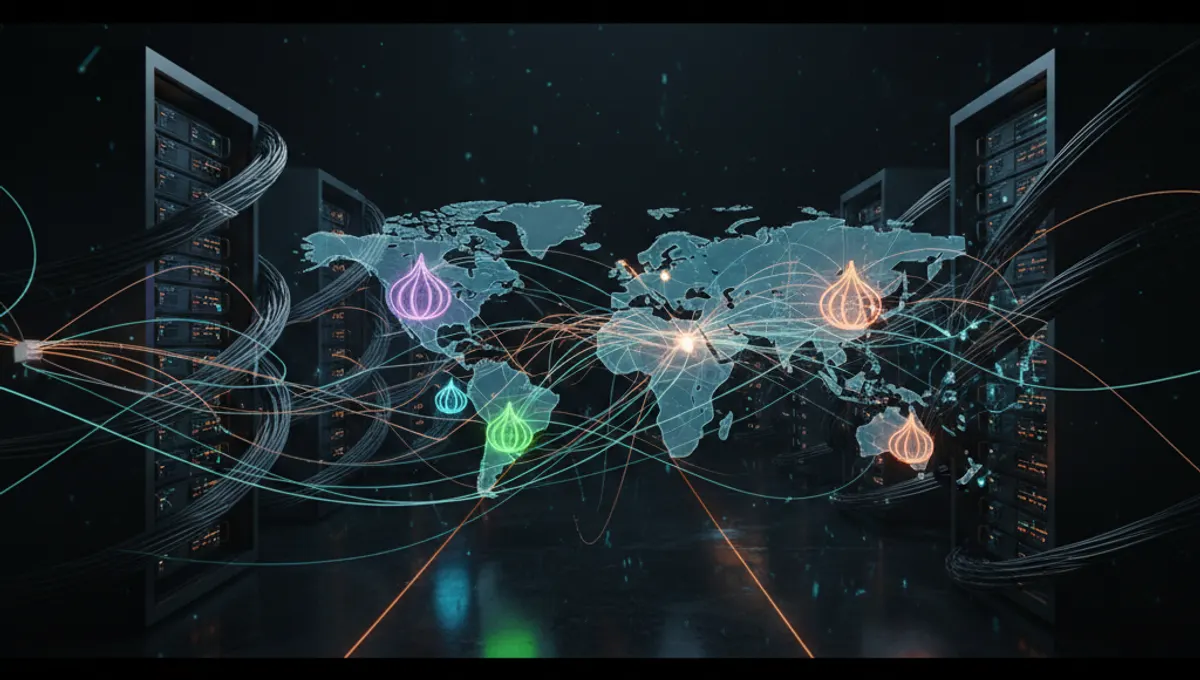
What Makes a Dark Web Site Unusual
Unusual dark web sites typically fall into a few categories: communities organized around niche interests, platforms designed for extreme privacy, marketplaces with no traditional regulation, and forums where anonymity enables candid discussion. Some sites gain notoriety simply because they operate outside conventional oversight. Others are genuinely bizarre—forums dedicated to specific subcultures, libraries of rare documents, or discussion boards where people share unusual expertise. The craziest sites aren't always illegal; many are simply unmoderated spaces where normal social rules don't apply. Understanding this distinction helps you recognize what's genuinely interesting versus what's just sensationalized in media coverage.
Communities and Forums Worth Knowing About
The dark web hosts forums where people discuss topics ranging from privacy technology to philosophy to specialized hobbies. Some communities focus on cryptocurrency discussions, others on cybersecurity research or digital rights activism. These spaces attract people who value anonymity for legitimate reasons—journalists, activists, security researchers, and privacy advocates. Many forums operate with minimal moderation, which creates both interesting discussions and chaotic threads. Some have been running for years with stable user bases; others appear and disappear quickly. The most established communities often have reputation systems and entry requirements to maintain quality. These aren't necessarily 'crazy' in a sensational sense, but they represent genuine alternatives to mainstream social platforms where anonymity is the default rather than an afterthought.
Marketplaces and Their Actual Inventory
Dark web marketplaces operate like eBay equivalents, but with different rules and inventory. The most visible ones sell digital goods—software, databases, leaked information—alongside physical items like books, electronics, and specialty goods. Some marketplaces have strict vendor vetting; others are essentially unmoderated. What's actually available often disappoints people expecting extreme content; most listings are mundane. You'll find used laptops, programming courses, privacy tools, and niche collectibles. Prices vary wildly depending on vendor reputation and market competition. Many marketplaces collapse within months due to law enforcement action or exit scams where operators vanish with customer funds. The longest-running marketplaces tend to have sophisticated security features, escrow systems, and active moderation to maintain trust. Visiting these sites requires understanding that most vendors are unknown, transactions are irreversible, and scams are common.
Security and Anonymity: Essential Precautions
Accessing unusual dark web sites safely requires multiple layers of protection. Start with a dedicated device or virtual machine running a privacy-focused operating system like Tails or Whonix. Use Tor Browser, the official tool from the Tor Project—never use modified versions or browser plugins. Connect through a VPN before accessing Tor for additional anonymity, though this adds complexity. Never maximize your browser window, as this reveals screen resolution data that can identify you. Disable JavaScript in Tor Browser settings. Never download files unless absolutely necessary, and scan them with antivirus software on an isolated system. Don't enable plugins or extensions. Assume every site could be a honeypot or scam. Never use the same username across multiple sites. Don't enable plugins or extensions. Never assume anonymity is perfect—it's a tool, not a guarantee. Most importantly, understand that visiting certain sites may be illegal in your jurisdiction regardless of what you actually do there.
Common Misconceptions About Dark Web Sites
Popular media exaggerates what exists on the dark web. Not every site is a criminal marketplace; many are legitimate privacy tools, forums, and information archives. The 'dark web' isn't a single place—it's thousands of independent sites with different purposes and governance. Most sites are boring by conventional standards: technical discussions, hobby forums, privacy resources. The most sensationalized stories often describe sites that were shut down years ago or never existed. Law enforcement has successfully infiltrated and dismantled major marketplaces, so the landscape constantly shifts. Some 'craziest' sites are actually honeypots or scams designed to steal cryptocurrency or compromise users. Others are simply niche communities that seem strange only because they operate without mainstream social norms. Understanding this reality helps you navigate the dark web more effectively and avoid wasting time on myths or falling for scams.
How to Find Legitimate Dark Web Resources
Finding actual dark web sites requires using directories, search engines, or community recommendations. Tor Project maintains official resources; other directories aggregate links to verified sites. Start with established communities and forums where users discuss specific topics. Check this site's Verified Market page for current platform addresses rather than trusting outdated links. Use dark web search engines cautiously—they index sites inconsistently and may return scams or honeypots. Ask in established forums for recommendations within your area of interest. Reputation matters on the dark web; vendors and site operators with long histories and positive feedback are generally more reliable. Be skeptical of new sites or those with no community presence. Many legitimate dark web resources have been operating for years with stable communities. Start with privacy-focused forums or technology communities if you're new to the dark web, as these tend to have better moderation and lower scam rates than marketplaces.
Legal and Practical Risks
Accessing the dark web itself is legal in most countries, but many activities conducted there are not. Simply visiting unusual sites carries minimal legal risk in jurisdictions with strong privacy protections, but this varies by location. Downloading certain content, engaging in transactions, or accessing specific sites may violate local laws regardless of your intentions. Law enforcement agencies monitor dark web activity and have successfully prosecuted users for accessing or distributing illegal content. Your ISP can see that you're using Tor even if they can't see what you're doing. Some employers and institutions prohibit Tor access. Scams are rampant—users regularly lose cryptocurrency to fake vendors or compromised sites. Malware exists on the dark web; downloading files carries genuine risks. Some sites are deliberately designed to compromise users' security. The psychological impact of exposure to extreme content shouldn't be underestimated. Approach dark web exploration with clear purposes and strict operational security rather than curiosity alone.
Frequently asked questions
Are the craziest dark web sites actually illegal?
Not necessarily. Many unusual sites are simply communities or forums operating without mainstream moderation. However, some sites do facilitate illegal activities. Accessing a site isn't illegal in most jurisdictions, but what you do there may be. Always understand local laws before engaging with dark web content or transactions.
How do I find dark web sites safely?
Use established directories and community recommendations rather than random search results. Start with privacy-focused forums where users discuss specific topics. Check verified resources on reputable sites rather than trusting outdated links. Use Tor Browser from the official Tor Project, connect through a VPN first, and never maximize your browser window or enable plugins.
What's the difference between the dark web and the deep web?
The deep web includes any internet content not indexed by search engines—databases, email accounts, paywalled content. The dark web is a small part of the deep web intentionally hidden and requiring specific tools like Tor to access. Most deep web content is mundane and legal; the dark web is where anonymity is the primary feature.
Can I get caught just visiting dark web sites?
Visiting sites isn't inherently illegal in most jurisdictions, but your ISP can see you're using Tor. Law enforcement monitors dark web activity and can identify users through technical means or operational mistakes. Simply visiting unusual sites carries minimal legal risk if you take proper security precautions, but downloading content or engaging in transactions increases risk significantly.
What security tools do I need to explore the dark web?
Use Tor Browser from the official Tor Project, connect through a VPN beforehand, and run everything on a dedicated device or virtual machine. Use a privacy-focused operating system like Tails if possible. Disable JavaScript in Tor Browser settings. Never download files unless necessary, and scan them on an isolated system. Assume no tool provides perfect anonymity.